are all cryptocurrencies based on blockchain
Posted on September 16, 2025
Are all cryptocurrencies based on blockchain
If even one of these six conditions aren’t met, a cryptocurrency will fail because it can’t build enough trust for people to reliably use it. The process of mining solidifies and satisfies every single one of these conditions https://gcmvc.info/casino-review/las-atlantis/.
Mining pools allow miners to combine their computational power, increasing the chances of solving a block and receiving a reward. On the other hand, solo mining can be more rewarding if you are successful, but it’s much more difficult to do profitably, especially with popular coins like Bitcoin.
Another thing to consider is that miners also charge transaction fees. Bitcoin believers think that as mining subsidy decreases, transaction fees will increase, which also accrues to miners. On the other hand, many Bitcoin non-believers think the mining subsidy going to zero will reduce security to the point where it becomes vulnerable to attack.
Are all cryptocurrencies the same
The comparison between digital currency and cryptocurrency reveals that they are two distinct classes of financial assets. It is important to identify the differences between them to identify scenarios that would be suitable for using them. Digital currencies and cryptocurrencies are new types of financial instruments with unique features and distinct advantages.
In addition to trading digital currencies, derivatives contracts are also available on Bitcoin and Ethereum from leading derivatives exchange CME Group (CME -4.98%). Derivatives such as futures and options are primarily used as a hedge against price fluctuations in the underlying asset.
Some examples of digital currencies include cryptocurrencies, stablecoins, and Central Bank Digital Currencies. Interestingly, CBDCs are a common highlight in every digital currency vs cryptocurrency comparison as they are the most credible form of digital currency. CBDCs are a type of digital currency issued by the government or national monetary authority of a country.
If you are just looking for crypto you can use to shop online or play your favorite video slot games, something like Bitcoin or Bitcoin Cash should suffice. If you are looking to invest in a new startup project that relies on blockchain technology for something other than commerce, there are other platforms you can invest in. The point is to know your crypto before you buy in. They are not all the same.
In simple words, not all digital currencies are cryptocurrencies, but all cryptocurrencies qualify as digital currencies. It is also important to note that the intricate differences between digital currencies and cryptocurrencies are crucial for regulators, investors, and users. A deep dive into the definition of both terms can help you find the ideal foundation for comparisons between them.
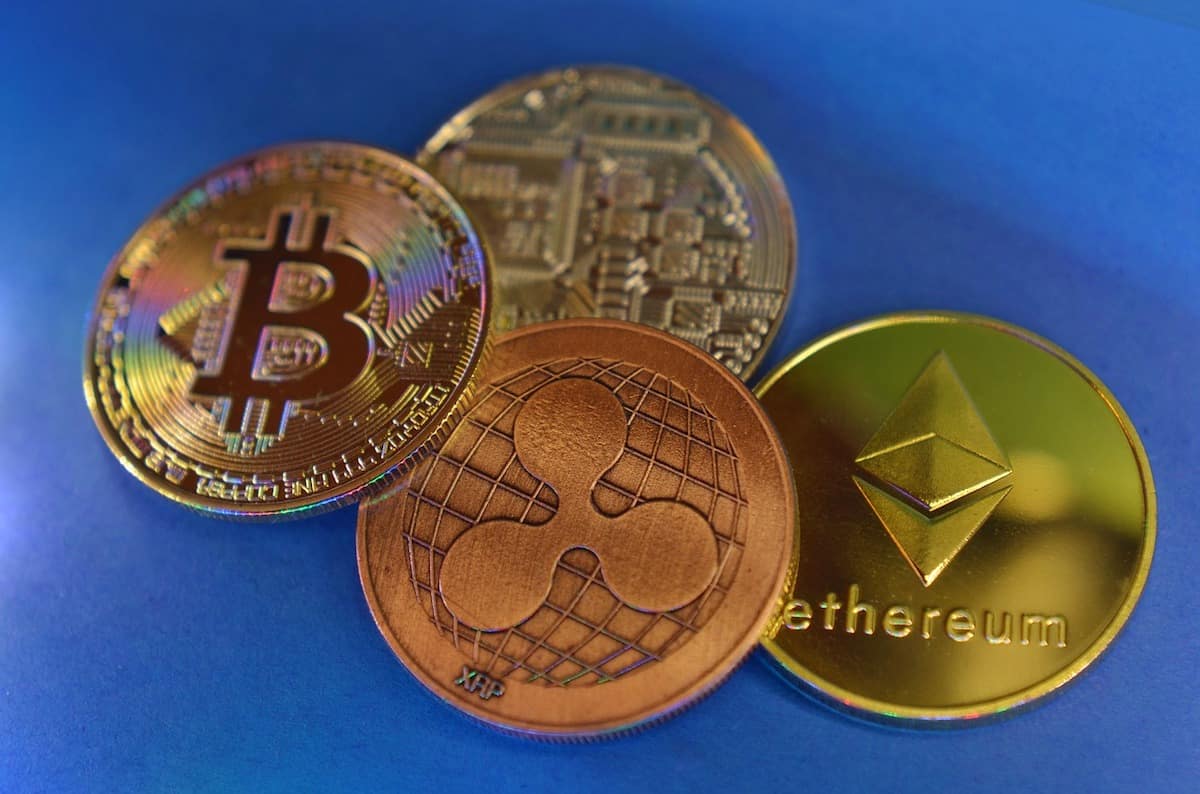
Are all cryptocurrencies based on blockchain
Blockchain allows for the permanent, immutable, and transparent recording of data and transactions. This, in turn, makes it possible to exchange anything that has value, whether that’s a physical item or something more intangible.
Cryptocurrency is only the tip of the iceberg. Use cases for blockchain are expanding rapidly beyond person-to-person exchanges, especially as blockchain is paired with other emerging technologies. Examples of other blockchain use cases include the following:
Even if you make your deposit during business hours, the transaction can still take one to three days to verify due to the sheer volume of transactions that banks need to settle. Blockchain, on the other hand, never sleeps.
Blockchain has been called a “truth machine.” While it does eliminate many of the issues that arose in Web 2.0, such as piracy and scamming, it’s not the be-all and end-all for digital security. The technology itself is essentially foolproof, but, ultimately, it is only as noble as the people using it and as reliable as the data they are adding to it.
The dark web allows users to buy and sell illegal goods without being tracked by using the Tor Browser and make illicit purchases in Bitcoin or other cryptocurrencies. This is in stark contrast to U.S. regulations, which require financial service providers to obtain information about their customers when they open an account. They are supposed to verify the identity of each customer and confirm that they do not appear on any list of known or suspected terrorist organizations.
Proving property ownership can be nearly impossible in war-torn countries or areas with little to no government or financial infrastructure and no Recorder’s Office. If a group of people living in such an area can leverage blockchain, then transparent and clear timelines of property ownership could be maintained.
Got something to say?